Squatter Evictions
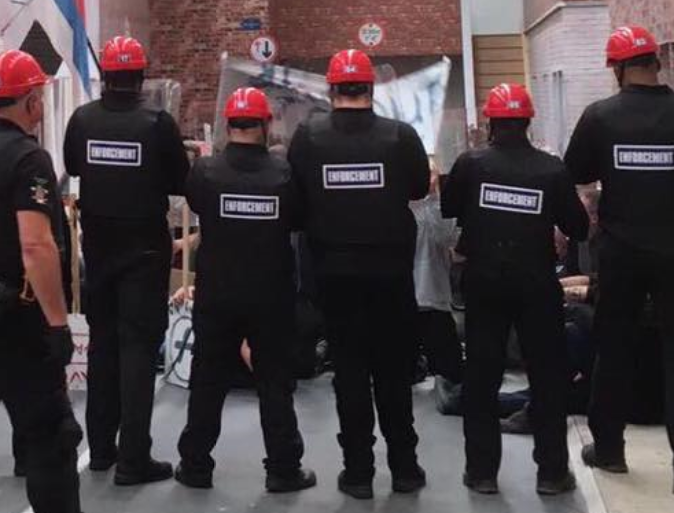
The longer squatters stay, the more damage and cost they cause. In commercial buildings and on land, our certificated enforcement agents can often remove squatters under common law within 24 to 48 hours of instruction, with no court order. Where a court order is the safer route, we serve the papers and enforce it.


EX-Police in Commerce & Industry

Institute of Conflict Management

Chartered Institute of Legal Executives

Professional Investigators Network

Association of Professional Process Servers

Chartered Institute of Credit Management.

British Assessment Bureau

Certificated Enforcement Agents Association

UKAS ISO Certificate 9001
EX-Police in Commerce & Industry
Institute of Conflict Management
Chartered Institute of Legal Executives
Professional Investigators Network
Association of Professional Process Servers
Chartered Institute of Credit Management.
British Assessment Bureau
Certificated Enforcement Agents Association
UKAS ISO Certificate 9001
Our Step-by-Step Process

Assessment and Legal Route
We confirm the type of property, how the squatters got in, how long they have been there and whether anyone will oppose entry. That decides whether common law, an IPO or a possession order is the right route.
Request to Leave
Our agents tell the occupiers they are trespassing and ask them to leave. Many go at this stage. Everything is recorded on body-worn cameras.
Common Law Removal
Where our agents can enter peacefully, they remove the squatters using no more force than is reasonably necessary, usually with the police in attendance to prevent a breach of the peace.
Court Order Where Needed
If peaceful entry is not possible or the squatters are likely to return, we help you apply for an IPO or possession order, serve the papers and enforce the order once it is granted.
Secure the Property
Once the squatters have left, we change the locks, secure entry points and hand control back to you with a written report. We can also advise on stopping them coming back.
At a glance
Squatting here is not a crime in itself, so removal is usually down to the owner.
Squatting in a residential building is a crime. Report it to the police first.
It is an offence to use or threaten violence to get in when someone inside opposes entry.
An IPO is only available within 28 days of finding the squatters. They must leave within 24 hours of service.
The property is secured and handed back with a report and photographs.
Squatter Eviction Specialists
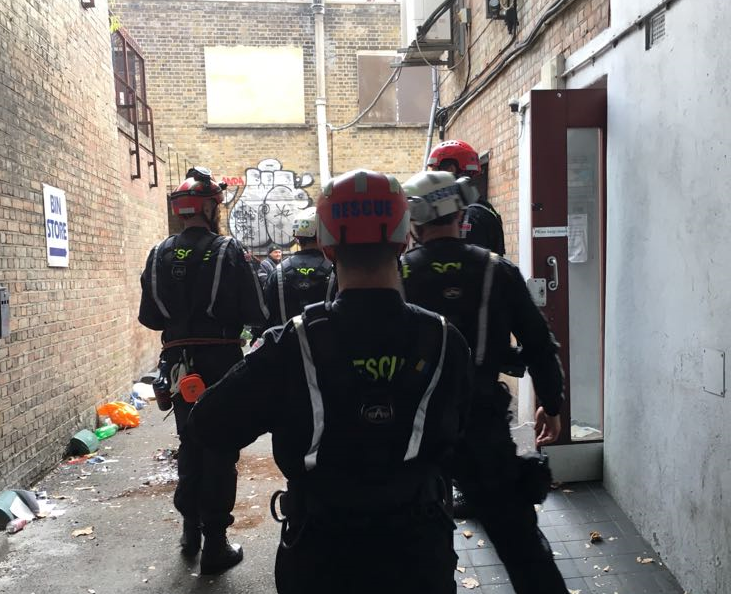
The right way to remove squatters depends on the type of property, how long they have been there and whether they will let anyone in. We work out the legal route with you, carry out the removal calmly, and secure the building so they cannot get back in.
We believe that successful enforcement is measured by resolution over confrontation, so we aim to de-escalate the situation you’re facing, not intensify it. If that sounds right for you, give us a call. We’ll listen to your issue, assess your case, and advise on the most reasonable way forward. You can ask us any questions you have about us or the legal process, and learn more about our approach. All commitment-free.

Commercial Buildings and Land
Squatting in an empty shop, office, pub, warehouse or on open land is not a crime in itself. The police will usually treat it as a civil matter unless there is damage or another offence, which leaves the owner to act. If our agents can get in peacefully, they can remove the squatters under common law using no more force than is reasonably necessary, without a court order. We normally ask for a police presence to prevent a breach of the peace.
Houses and Flats
Squatting in a residential building has been a criminal offence since 1 September 2012, with a penalty of up to 6 months in prison, a £5,000 fine or both. Report it to the police first. Where you also need a possession order, or help securing the property afterwards, we can serve the papers, enforce the order and make the property safe.
When a Court Order Is the Better Route
If the squatters will not let anyone in, are entrenched, or are likely to return, a court order gives you stronger protection. An interim possession order (IPO) is available within 28 days of finding out about the squatters. Once it is served, they must leave within 24 hours and stay away for 12 months, or face prison. After 28 days, or if you are also claiming for damage, you need an ordinary possession claim. We serve the papers and enforce the order.
Discipline, De-escalation, Documentation
Removing people from a building where they have been living is a tense moment. Our certificated agents are trained in conflict management and de-escalation and wear body-worn cameras. You receive a written report and photographs of the property and anything left behind.
Based in Bristol, Working Nationwide
We are based in Bristol and remove squatters for property owners, landlords, managing agents and councils across Bristol, Bath and the South West, and throughout England and Wales. For squatters on open land with vehicles, see our traveller eviction service. For more detail, read our guides on IPOs, court orders and common law evictions and squatters’ rights in the UK.
Our Clients














What our clients say
We believe that successful enforcement is measured by resolution over confrontation, so we aim to de-escalate the situation you’re facing, not intensify it. If that sounds right for you, give us a call. We’ll listen to your issue, assess your case, and advise on the most reasonable way forward. You can ask us any questions you have about us or the legal process, and learn more about our approach. All commitment-free.