.avif)

Ethical Equine and Animal Removal
Fly-grazing and abandoned animals create a risk to fences, crops, and infrastructure, and if someone is injured or an animal’s welfare deteriorates, you are liable. Able provides lawful, safe equine and animal removal for landowners and organisations who need the situation resolved properly. We will manage the legalities and welfare obligations and provide documentation of it all, providing you with clear documentation from start to finish.


EX-Police in Commerce & Industry

Institute of Conflict Management

Chartered Institute of Legal Executives

Professional Investigators Network

Association of Professional Process Servers

Chartered Institute of Credit Management.

British Assessment Bureau

Certificated Enforcement Agents Association

UKAS ISO Certificate 9001
EX-Police in Commerce & Industry
Institute of Conflict Management
Chartered Institute of Legal Executives
Professional Investigators Network
Association of Professional Process Servers
Chartered Institute of Credit Management.
British Assessment Bureau
Certificated Enforcement Agents Association
UKAS ISO Certificate 9001
EX-Police in Commerce & Industry
Institute of Conflict Management
Chartered Institute of Legal Executives
Professional Investigators Network
Association of Professional Process Servers
Chartered Institute of Credit Management.
British Assessment Bureau
Certificated Enforcement Agents Association
UKAS ISO Certificate 9001
Our Step-by-Step Process

Initial assessment and identification:
We attend the site to assess risk, document the animals, and look for identifying details such as microchips or passports. This helps establish whether an owner can be traced and what the appropriate next step is.
Detention and securing the situation:
We detain the animals on your behalf in a legal manner and help you secure the area. The priority is safety, control, and preventing further damage or risk.
Police notification and statutory notice:
We handle the required police notification within the legal window and post the correct notices on site. The goal is to track down the owner and get in contact with them.
Welfare during the detention period:
After detention, an owner has four working days to come forward. During this period, welfare obligations still apply. We can advise on what needs to be done to keep the animals safe and protect you from accusations of neglect, and provide health and welfare checks.
Removal and outcome:
If the animals are claimed, the matter can resolve through the correct process, and the owner reimburses you in most cases. If not, ownership will most likely transfer to you. We can then arrange the appropriate next step such as rehoming or sale.
Documentation and reporting:
You receive a clear record of what was found, what was done, and how the process was handled. This protects you if the situation is challenged later and provides a proper audit trail.
At a glance
We support equine and other livestock cases, assessing the appropriate legal route before any action is taken.
We assess risk, document the animals and check identifying details such as microchips or passports to help trace an owner.
Experienced handlers use safe loading and transport practices; we stop and reassess if animals are unfit to move or conditions are unsafe.
For detained equines, four working days is the owner claim window; any ownership transfer follows the applicable legal process.
You receive a clear record of what was found, what was done and how the process was handled.
Lawful Animal Removal that Puts Welfare First
Beyond the obvious concerns that come with fly-grazing and abandoned animals, the legal and ethical concerns can quickly get out of hand. One injured animal, person, or damaged boundary can become a serious problem that you are unfortunately liable for. They may not be your animals, but while they are on your land they become your legal responsibility.
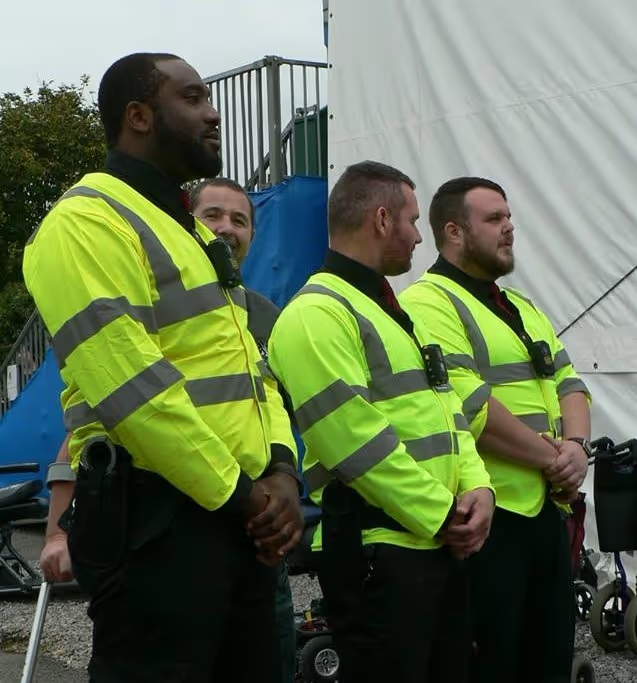
We support landowners, developers, councils, and site managers with lawful and ethical animal removal. Our team includes experienced handlers who take the welfare of the animal seriously. From your first call to the final outcome, we will keep you updated and provide a clear record of events.
We believe that successful enforcement is measured by resolution over confrontation, so we aim to de-escalate the situation you’re facing, not intensify it. If that sounds right for you, give us a call. We’ll listen to your issue, assess your case, and advise on the most reasonable way forward. You can ask us any questions you have about us or the legal process, and learn more about our approach. All commitment-free.
Every animal removal instruction is different. The number of animals, the condition and disposition of them, the type of land, and whether an owner can be identified all affect what we can legally do. We will keep you updated as the situation unfolds, so if you are unsure at any point, we are happy to advise.
Professional Presence and Proper Welfare
Equine removal can turn dangerous quickly. Horses are unpredictable when stressed, and a poorly handled attempt to move them can lead to injury, escape, or further damage to your land. On top of that, fly-grazing situations can attract conflict if an owner reappears on your land.
Able handles the on-site work with experienced equine handlers and a controlled, methodical approach. We use the right equipment and use it in compliance with safe loading and transport practices. If the animals are not fit to move, or the situation cannot be managed safely, we will always stop and strategise the best next step rather than forcing an unsafe situation.
Where rehoming is possible, we will take care of it from there. If not, we will explain why and explain the options. At the end of it all, we’ll make sure you have a full report of everything that took place and why, protecting your position from owner dispute.
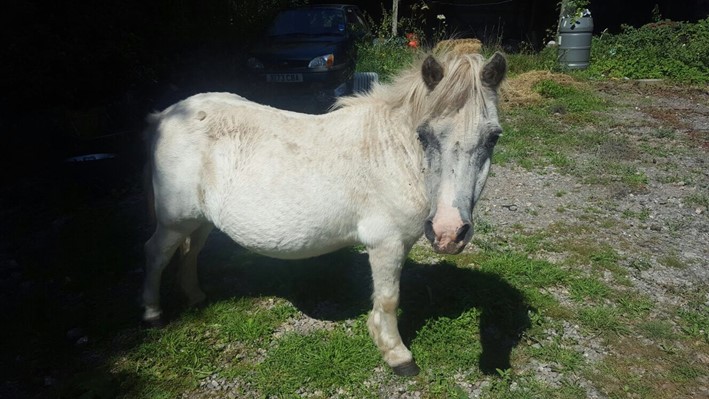
Case Study: Abandoned Pony Found in Land Repossession
During a land repossession in Plymouth, our team identified a small pony on site that had been abandoned by the occupiers. We secured the site, detained the pony, and made sure it had access to water and was kept comfortable.
Once it was clear that no one was returning to reclaim it, we arranged for the pony to be taken to a local rescue centre for quarantine, checks, and vaccinations. After it was given a clean bill of health, it was permanently rehomed with a loving new family.
.png)
Our Clients














What our clients say
We believe that successful enforcement is measured by resolution over confrontation, so we aim to de-escalate the situation you’re facing, not intensify it. If that sounds right for you, give us a call. We’ll listen to your issue, assess your case, and advise on the most reasonable way forward. You can ask us any questions you have about us or the legal process, and learn more about our approach. All commitment-free.
.png)
.jpg)