You have a signed finance agreement on your desk from a customer who bought a car and drove it away from the car lot with a big smile on his face. But a couple of years down the line he realised it was a bit out of his price range or his circumstances changed, so he stopped making the monthly payments. You have tried contacting him but cannot get through and the time has come to take action.
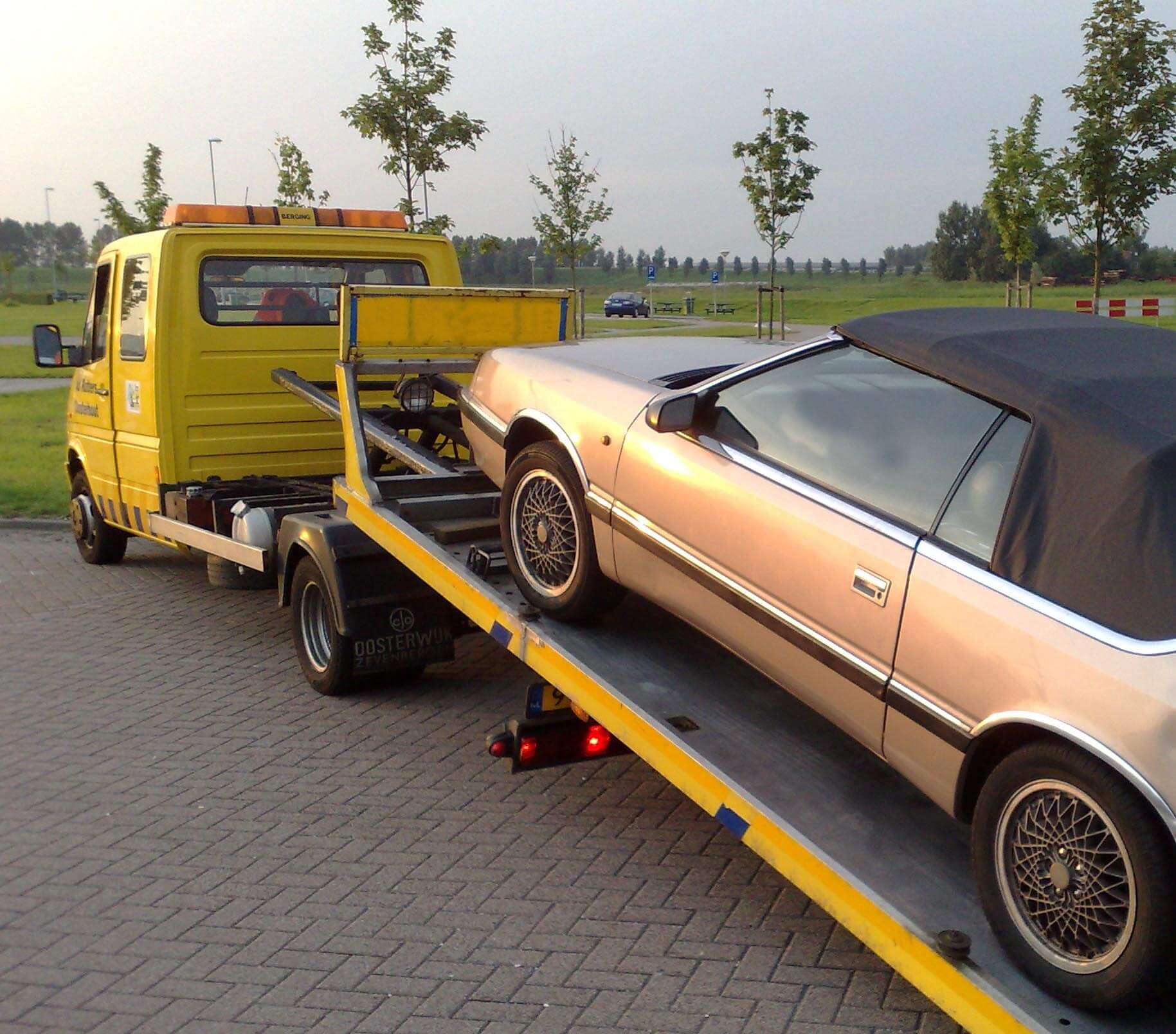
So what do you do? The problem many lenders face is that the law surrounding car repossessions tends to be a bit vague and open to interpretation. If you want to get the car or the money you are owed back, it is important that you know your rights and enlist the right professional help. If the repossession is not carried out legally you could find yourself in hot water, even if the customer is behind with payments.
Cars parked on private land
It may be illegal to repossess a vehicle if it is being kept on private land, as this could potentially be construed as trespassing. It is worth contacting a repossessions expert to find out whether this rule applies in your case.
Court orders
The law stipulates that a court order must be put in place before a vehicle can be repossessed in most cases. This legislation applies when the buyer has paid more than a third of the total vehicle value through a Consumer Credit Act-regulated hire purchase agreement or conditional sale. In these circumstances, the vehicle is classed as ‘protected’ and you will need to obtain a court order to take any further action.
If you repossess the car without a court order you may find yourself in breach of the law and subject to a hefty compensation claim. Worse still, the debtor may earn the right to be released from their hire purchase agreement, effectively writing off any outstanding debt they have tied up in the car.
If less than a third of the vehicle value has been paid, a court order should not be needed, but it is still worth obtaining professional advice before you make a move. If you are shown to have followed incorrect or illegal procedure you may still be liable to a compensation claim.
What steps should you take?
- Establish contact with the customer: Try to contact with the customer and document any conversations. There may be a reasonable explanation for the missed payments and there may be a way to get them back on track.
- Start the repossesion process: If you are unable to make contact or the customer refuses to pay, you will need to start the repossession process.
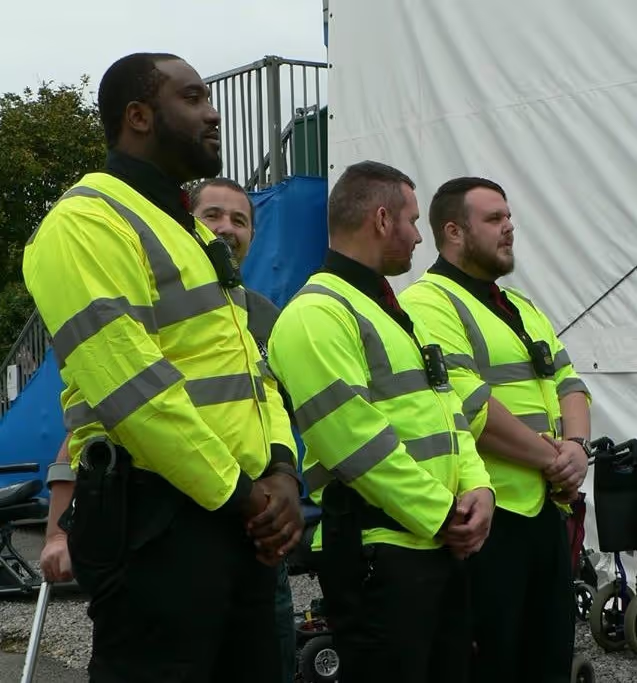
At Able Investigations our enforcement team is qualified and experienced in searching for and repossessing cars. We can quickly seize goods following the correct procedures to ensure that you gain possession of the vehicle without opening yourself up to prosecution.
We successfully close 98% of the cases we take on and always operate within the relevant legal parameters. We know how stressful it can be when it comes to debt and repossessions, so we will take the hard work out of the process and give you the support you need. Our team of bailiffs is certificated and up-to-date with the latest legislation. Based in Bristol, we are able to enact car repossessions across the UK.
If you need help and advice with regard to car repossessions in Bristol and throughout the UK, give us a call on 0345 366 0000.
Contact us today!