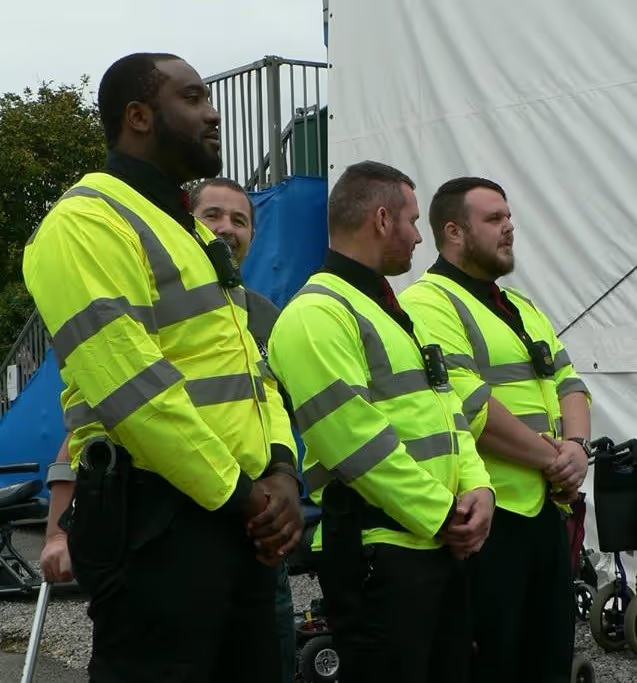
If someone is unable to pay their debts, enforcement officers usually become involved. A Controlled Goods Agreement (sometimes called a CGA or Walking Possession Agreement) is a document which secures the property of the debtor to their debt when immediate payment is required to the Enforcement Agents and the debtor is unable to make that payment.
If a debt cannot be paid by the debtor, an enforcement agent will visit their registered address, assess the assets inside then draw up an inventory of items to the value of the amount owed. Not all the debtor’s goods can be included on the list. These include:
- Safety equipment
- Consumables
- Crops
- Livestock
- Items which cannot be removed without causing damage
- Equipment and tools of the debtor’s trade
- Cash
- Leased or rented items or items on hire purchase agreements
- In the case of a company, no personal items can be taken which are not owed by the company
When the debtor is a company, having a CGA means they’re able to continue operating to service the repayment of their debt.
Should the debtor have an item with a very high value which has a higher worth than their debt, that item could be put under a CGA. If it doesn’t need to be sold, any balance remaining once the debt, costs and associated fees are repaid will then be given back to the debtor.
Making a Payment plan
Once the inventory has been drawn up, the enforcement agent will create a payment plan for the debtor. This will ensure that the creditor receives repayment of the amount owed within an appropriate timescale and in regular instalments. The debtor will make a commitment to monthly or weekly repayment amounts which will then be outlined in the Controlled Goods Agreement. The CGA will then be signed by the debtor and the enforcement officer.
What happens if the Controlled Goods Agreement is breached?
If the debtor breaches the Controlled Goods Agreement, the enforcement agent may then reinspect their property. They can revisit the address and take goods from the inventory. The goods may then be kept by the enforcement agent in storage until the debtor is able to make payment or, alternatively, they may be sold immediately to pay for the failed instalment.
Should a debtor refuse to sign a Controlled Goods Agreement, the enforcement agent is permitted to remove any goods immediately from the inventory list and sell them. Debtors are not prohibited by law from interfering with any goods on the inventory, and so cannot sell them after signing a CGA. Should the debtor attempt to transfer the listed items to a new owner or sell them in any way, they could be fined up to £2,500, receive a jail sentence of as long as 50 weeks, or both.
If you need a Controlled Goods Agreement for a debt that you are owed, Able Investigations is able to put that in place for you. As a team of certified enforcement agents, we can help you to recover the money you are owed in a timely and convenient manner.