CRAR stands for Commercial Rent Arrears Recovery, and it is the process undertaken when rent is owed on a commercial property only. If you’re a landlord, you can begin the CRAR process only once you have given the tenants their 7 days’ notice. If they fail to produce the rent in that week, you can then issue them with the CRAR notice.
Upon receiving the CRAR notice, tenants have the option of contacting the court to apply for a set aside or delay of execution - both of which allow them more time to pay back what they owe. If you want the tenants to send you the rent directly, they must be given 14 days’ notice.
What happens after the CRAR notice?
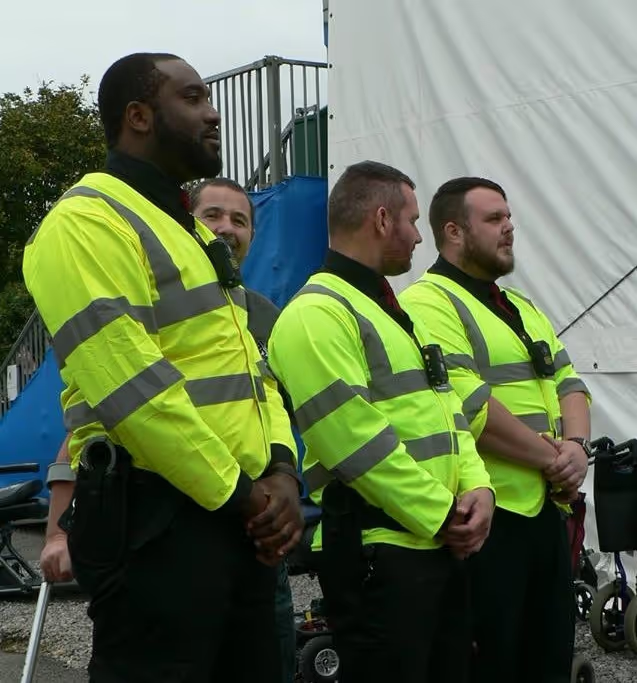
After the 7 day period, Certificated Enforcement Officers can enter the premises and take control of goods equal to the sum of the rent owed. This involves a controlled goods agreement whereby an officer will review the premises and assets that could be retrieved to offset the cost. They will then sell the items at auction in order to recover some or all of the debt that is owed from commercial tenants.
Alternatively, rather than removing the goods there and then, a Certificated Enforcement Officer can set up a detailed repayment plan to pay back the debt. This means you can continue with the tenant in your commercial premises.
If the tenant doesn’t have assets that could be sold to recover your debt, you need to take things to the next stage of proceedings.
Withdraw and forfeit the lease
Common Law permits landlords to withdraw a CRAR notice if unsuccessful and repossess the property by forfeiting the lease. Depending on the situation, there may be a different number of days, but typically, if the rent is 21 days or more overdue, you are allowed to withdraw any CRAR instructions.
Forfeiting the lease involves attending the premises, explaining the situation to the tenants, and changing the locks. How you do this completely depends on you. Some landlords choose to do this themselves however the majority prefer to use the services of an enforcement agency (formerly known as a bailiff). While you won’t get back the rent owed this way, you will at least recover your business premises to fill with paying tenants.
At Able Investigations, we have years of experience in dealing quietly and effectively with all matters relating to CRAR. If your CRAR notice is unsuccessful at recovering debt, it can be a challenge to know exactly what your next step should be - allow us to take over here and you’ll save yourself time and stress on trying to recover your commercial premises.
Effective debt recovery in line with current legislation
It’s essential that, when using a debt recovery service, you choose an enforcement agency who explicitly abide by current legislation. If you should make a legal error during any part of the procedure, you could end up facing expensive legal fees for breaking laws in the process.
Save yourself the stress, and use a reputable debt recovery solutions company like Able Investigations, and you’ll have your money or premises back in no time - and with total security when it comes to the legal side of things.
For more information about commercial rent arrears recovery or for professional advice about your current situation, please get in touch with the Able Investigations team. We would be happy to answer any questions so you can call us on 0345 366 0000, send us an email or use our contact form and we will get back to you shortly.