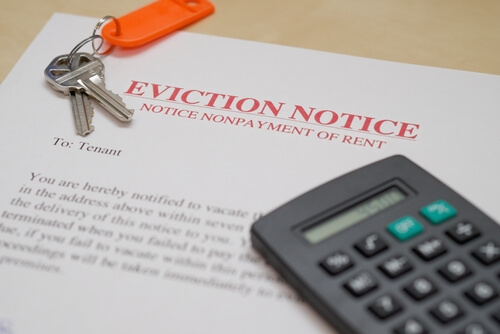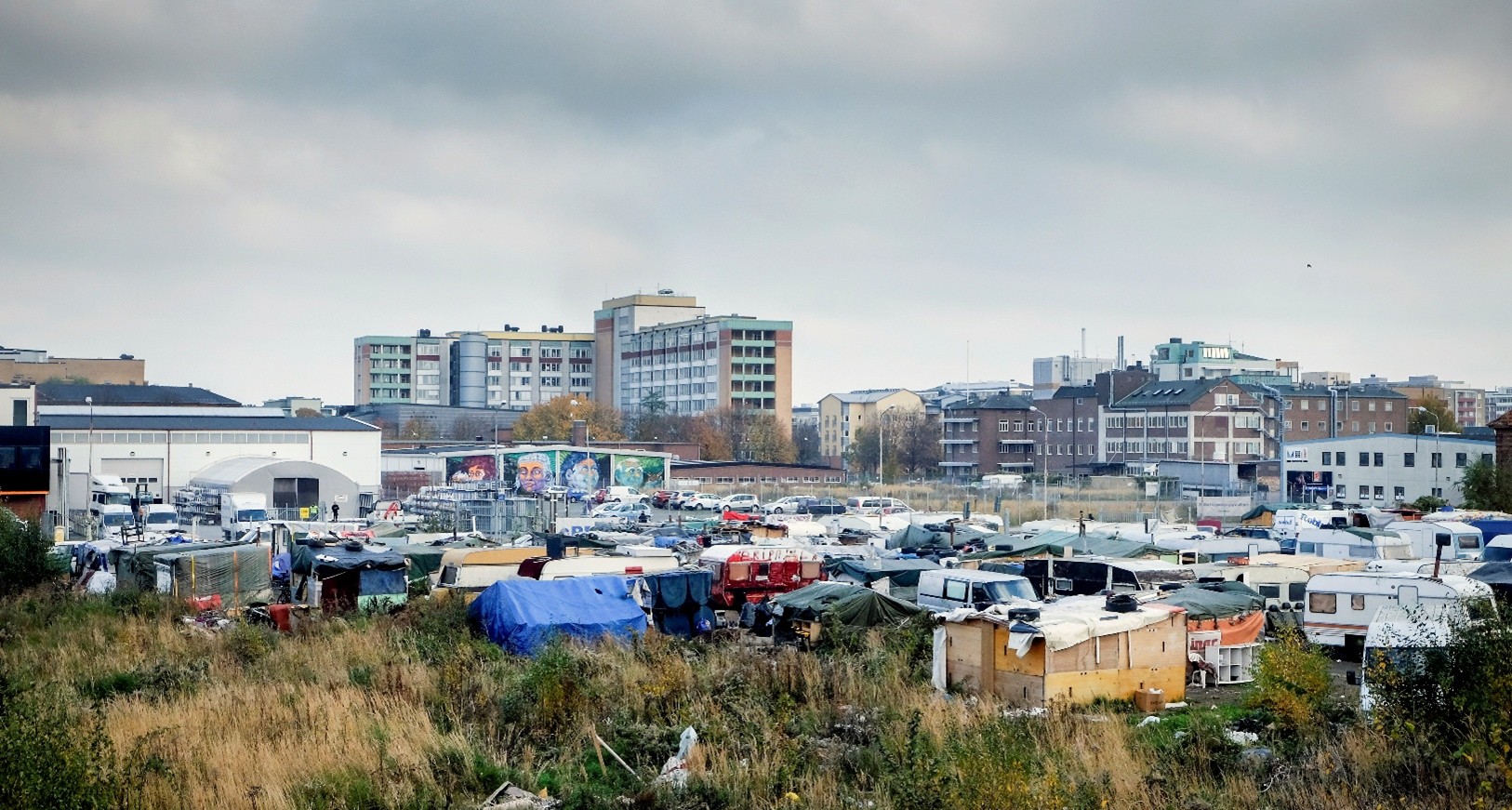
Over Easter 2026, multiple sites across southern England were occupied without planning permission, triggering emergency legal proceedings and significant local coverage. In Surrey, councils secured an interim injunction through an emergency High Court application after travellers occupied a four-acre site in Alfold and established 17 plots without consent. Sites in Kent and Hertfordshire were also occupied over the same weekend. In each case, the core dispute came down to planning permission: land that had been occupied or developed without it, and local authorities having to respond through the courts.
The coverage has been intense, but the rise in travellers is not new, and is a multi-faceted issue.
How many traveller caravans are there in England?
The government counts traveller caravans across England twice a year. The July 2025 count recorded 28,589 caravans in total, up 36% since 2015. The growth has been steady across that period, not concentrated in any single year.
Of those, 4,464 were on unauthorised land, an 11% increase on the previous year. Unauthorised developments on traveller-owned land rose by 21%, and caravans on unauthorised encampments on non-traveller-owned land have also increased significantly. It is this subsection that directly affects private landowners, developers, and businesses.
84% of traveller caravans in England are on authorised sites. The minority on unauthorised land generates a disproportionate amount of coverage, and the trend within that group is worsening year on year, giving travellers as a whole a negative public perception that is not entirely earned.
As for where in the country is most and least affected, The Daily Mail have created an interactive map showing the trend of unauthorised traveller caravans by county.
Why are traveller encampments increasing?
The shortage of authorised traveller sites is the most significant underlying cause for the rise of illegal encampments. Local authorities have a legal duty to assess the need for Gypsy and Traveller accommodation and plan for it, but 92% of local authorities have no provision at all. The updated Planning Policy for Traveller Sites, which came into effect in December 2024, introduced a five-year site supply rule to hold councils more accountable, but the gap between assessed need and actual delivery has persisted for decades.
The charity Friends, Families and Travellers has described authorised stopping places as "virtually non-existent," with waiting lists far exceeding supply. Applications for new authorised sites face consistent obstacles. They take time, attract local opposition, and regularly stall in the planning process. Where lawful stopping places are not available, unauthorised occupation becomes more likely.
There is also the question of land purchase and retrospective permission. Some traveller communities buy land and begin developing it without first obtaining planning consent, sometimes with a view to applying retrospectively and waiting out the enforcement process. A letter signed by 30 MPs has warned of a "wave of illegal development" and called for a dedicated task force to support local authorities with enforcement. One resident affected by a site in West Berkshire told local media that the person in charge appeared "very conversant with the law" and expected proceedings to take six to seven years.
What is the difference between an unauthorised encampment and an unauthorised development?
These terms are often used interchangeably in news coverage, but they describe different situations and carry different enforcement implications.
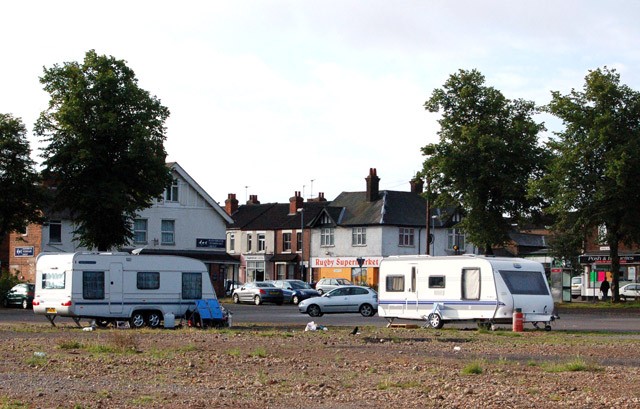
An unauthorised encampment is where travellers are occupying land they don’t own, including fields, industrial land, car parks, and development sites. An unauthorised development is where travellers own the land but have carried out works or established a residential site without planning permission, or where existing permission has been exceeded or breached.
The government's caravan count tracks both categories separately, and the enforcement routes available to landowners, councils, and the courts differ accordingly.
What is the difference between travellers and van dwellers?
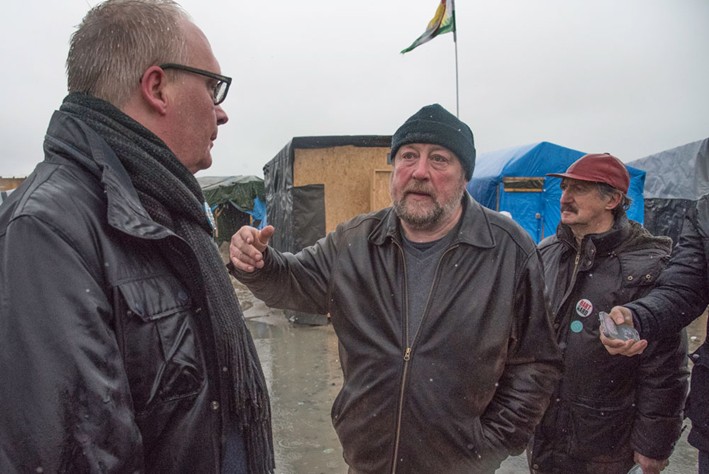
Not everyone living in a vehicle on public or private land is part of a Gypsy or Traveller community. Van dwellers, many of whom are living in vehicles because of housing costs rather than cultural choice, are also rising in number across the UK as a direct result of the cost-of-living crisis.
The two groups are often reported on together, but they are subject to different legal and enforcement actions.
Romany Gypsies and Irish Travellers are recognised ethnic groups with protected characteristics under the Equality Act 2010, and planning and enforcement decisions affecting them must account for that.
Has the law around travellers and traveller evictions changed?
The legal landscape around traveller enforcement has seen several changes in recent years. In May 2024, the High Court declared provisions of the Police, Crime, Sentencing and Courts Act 2022 incompatible with the European Convention on Human Rights. The provision in question gave police the power to ban Gypsies and Travellers from returning to an area for 12 months following eviction from an unauthorised encampment.
The court found this discriminated unlawfully against those communities, and the government has since tabled an amendment to the Crime and Policing Bill to repeal it, reverting the ban back to the original three-month period.
In short, some of the extended police powers introduced in 2022 are being removed, and this may continue. This makes it more important than ever that landowners dealing with an encampment on private land pursue the correct civil enforcement route from the outset, rather than relying on police intervention.
What this means if an encampment appears on your land
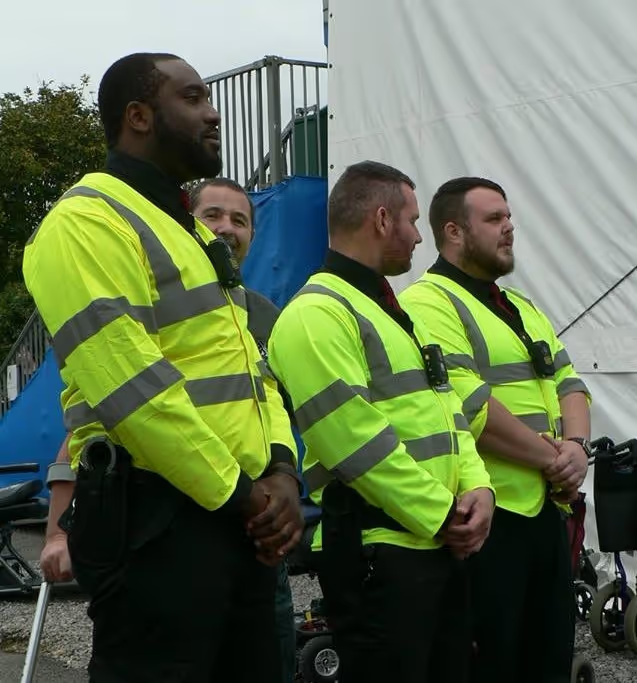
Vacant land, development sites, industrial estates, and car parks are among the most commonly affected. Land that is easy to access and not actively managed is more likely to attract an encampment, and the longer one is in place, the more complex and costly removal can become. On private land, it is up to the landowner, not the Police, to initiate removal, unless there is evidence of criminal behaviour or significant disruption.
Getting the process right from the beginning makes a material difference to how quickly the situation is resolved. Able Investigations has over 30 years of experience managing traveller evictions for private landowners, developers, and local authorities. If an encampment has appeared on your land and you are not sure of the correct route forward, our team can assess the situation and advise on the appropriate legal approach.
Whatever the case, we always recommend against attempting to move the travellers on yourself, as you put your safety and your legal position at risk. recruiting a reputable enforcement agency is the only way to ensure that the job is done right and the travellers stay moved on.
Will unauthorised encampments continue to rise?
The rise in unauthorised encampments is the product of long-term site shortage, planning system delays, rising caravan numbers, and a legal enforcement framework in transition. The December 2024 planning policy changes and the repeal of parts of the 2022 Act may eventually change the picture, but neither addresses the shortage of authorised provision directly, and that shortage remains the most significant driver.
Landowners with vulnerable sites would be well advised to review their security arrangements now rather than waiting for an incident. We have written separately about how to reduce the risk of an encampment occurring on your land, including the physical measures that make the biggest difference.
If you need to speak to someone about an existing encampment or want advice on protecting your land, contact Able Investigations on 0345 366 0000 or through our online enquiry form.