.avif)


Update: Section 21 has now been abolished.
"No-fault" evictions have been scrapped under the Renters' Rights Act 2025. For the current process, read Section 21 is Abolished. How do Landlords Serve an Eviction Notice Now?
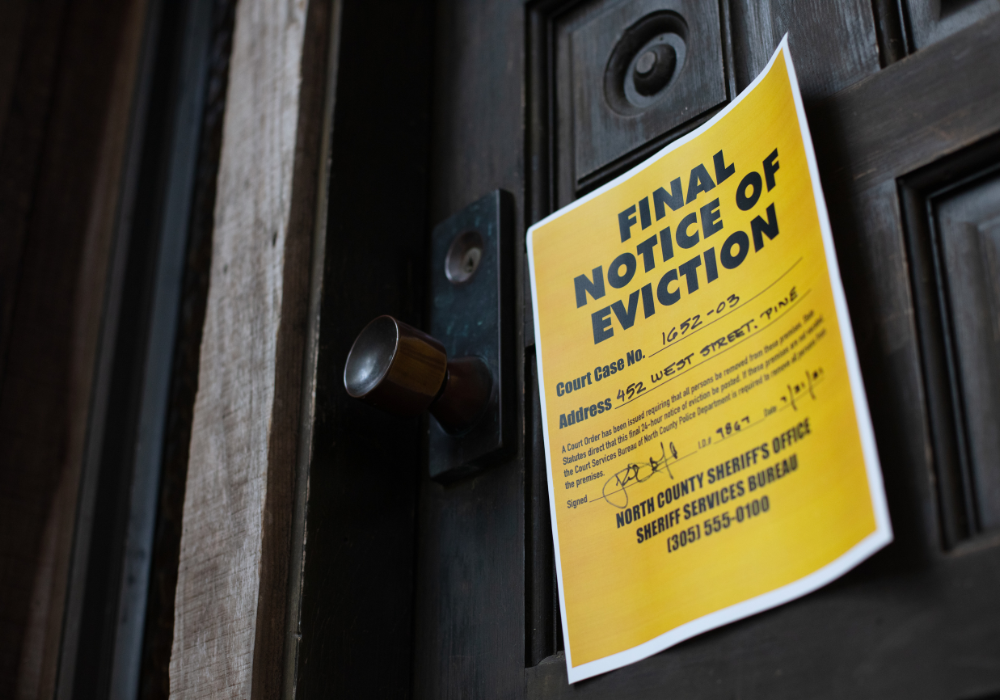
A Section 21 eviction notice is a legal document used by landlords in England and Wales to reclaim possession of their properties from tenants. It applies specifically to assured shorthold tenancies (ASTs) and is often called a "no-fault eviction" because landlords do not need to give a specific reason for asking tenants to leave.
Understanding how Section 21 notices work, the legal responsibilities involved, and tenants' rights is essential for navigating the eviction process. This guide covers everything from when a Section 21 notice can be issued to what tenants should do if they receive one.

What Is a Section 21 Eviction Notice?
A Section 21 eviction notice is issued under the Housing Act 1988 and is designed to allow landlords to end an assured shorthold tenancy (AST) without having to prove wrongdoing by the tenant. Unlike a Section 8 notice, which requires a valid legal reason such as rent arrears, a Section 21 notice allows a landlord to regain possession of their property simply because they no longer wish to rent it out.
Once tenants receive a Section 21 notice, they must vacate the property by the end of the notice period—usually two months' notice, although this timeframe can change depending on legal updates or tenancy agreements.
When Can a Landlord Issue a Section 21 Notice?
Landlords can issue a Section 21 eviction notice in two main situations, depending on the type of tenancy:
1. At the End of a Fixed-Term Tenancy
A fixed-term tenancy is a rental agreement with a clear start and end date, often six or 12 months. When this period ends, landlords can issue a Section 21 notice if they do not wish to renew the tenancy agreement.
2. During a Periodic Tenancy
A periodic tenancy occurs when a fixed-term agreement ends, and the tenancy continues on a rolling monthly or weekly basis. In this case, landlords can serve a Section 21 notice at any time, provided they comply with legal procedures.
However, there are strict legal requirements that landlords must meet before issuing the notice. Failing to comply can give tenants the right to challenge the notice in court.
Legal Requirements for a Valid Section 21 Notice
For a Section 21 eviction notice to be legally enforceable, landlords must fulfil specific obligations. Missing even one of these steps can render the notice invalid, delaying the eviction process or forcing the landlord to restart it.
Documents Landlords Must Provide
Landlords must ensure tenants receive the following legal documents before serving the notice:
Common Mistakes That Can Invalidate the Notice
Landlords must follow strict procedures when serving the notice. Common legal errors include:
If any of these legal obligations are not met, tenants can challenge whether the Section 21 notice is valid by applying for a court order.
What Happens After Receiving a Section 21 Notice?
Receiving a Section 21 eviction notice can be stressful, but tenants have legal protections and several options for responding effectively.
1. Check the Notice’s Validity
The first step tenants should take is ensuring the notice has been issued correctly. They should check whether:
If anything is missing or incorrect, tenants have legal grounds to dispute the notice.
2. Seek Legal Advice
Tenants should contact legal advice services such as Citizens Advice, Shelter England, or Advice Now. These organisations provide free guidance on tenants' rights, explain the eviction process, and assist with court proceedings if needed.
3. Find Somewhere Else to Live
If the notice is valid, tenants must start looking for new accommodation immediately. Many councils and housing charities can provide assistance, especially if the tenant is at risk of homelessness.
4. Challenging the Notice
If tenants believe the notice is invalid, they can contest it through the court system. Common grounds for challenging include:
The court will review the case and may rule in the tenant’s favour, halting the eviction process.
What Happens If Tenants Don’t Leave?
If tenants refuse to leave after the notice period expires, landlords must apply for a possession order through the court. It is illegal for landlords to change the locks, remove tenants' belongings, or physically evict tenants without a court order.
If the court grants the possession order, the judge will set a date by which the tenants must leave the property. If tenants still refuse to vacate, landlords can apply for a bailiff eviction order, allowing court-appointed bailiffs to carry out the eviction.
Landlords who try to force tenants out without following this process risk committing an illegal eviction, which can result in significant legal penalties, including fines or imprisonment.

Section 21 vs. Section 8 Notices
While Section 21 notices are often used when landlords want to regain their properties without citing a reason, Section 8 notices serve a different purpose.
Section 21 Notice Section 8 Notice No reason needed for eviction Tenant must have breached tenancy terms Used at the end of tenancy or for no-fault eviction Used for issues like rent arrears or anti-social behaviour Minimum two months’ notice Notice period depends on breach severity
Conclusion
A Section 21 eviction notice is a legal process that landlords use to regain possession of their properties after an assured shorthold tenancy ends. However, strict legal requirements apply, and tenants have protections against unlawful evictions.
If you are a landlord considering serving a Section 21 notice or a tenant unsure about your legal rights, Able Investigations can provide expert legal advice and professional support throughout the eviction process. Contact us today.