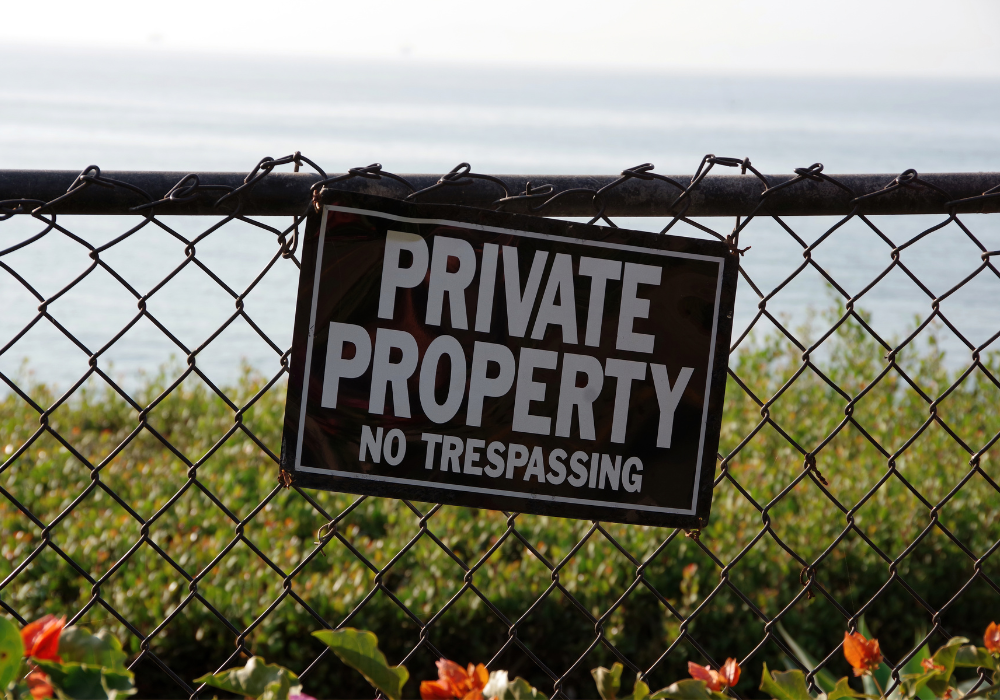
Due to legislation changes that took place in 2012, squatters have been displaced from residential to commercial property. As such, squatting has become a real issue for property managers, who need to make sure that they remove any squatters promptly and re-secure the property to prevent them from returning.
There are multiple methods of removing commercial squatters from the property. To be able to evict squatters and trespassers from a commercial property, you will have to obtain an order for possession first. Then, you will have to transfer the order of possession to the High Court and obtain a writ of possession that is then executed by High Court enforcement officers.
Interim Possession Orders
This is a quick method of removing commercial squatters from your property. With this procedure, you can apply to the court and obtain an interim possession order, which means that anybody who is occupying your premises without your consent needs to leave in 24 hours after being served. If they fail to leave in 24 hours, then you can instruct enforcement officers to remove them using no more than reasonable force.
It generally takes about a week for the court to make the decision to grant you an interim possession order. To apply for this, you need to show that squatters are occupying your property without your consent. This does not apply to open land. You also need to be able to demonstrate that you have an immediate right to possession of the property in question.
Common Law
If your property has been squatted, it is essential that you do not attempt to evict the occupants yourself. However, this does not mean that you cannot employ enforcement officers to talk with them. As they are legally entitled to enter your property on your behalf, they can try and reason with the squatters. If this does not work, you will need to apply for a court order to have them evicted.
Final Order of Possession
After you gain your interim possession order, squatters have the right to put their case forward to a hearing if they wish to do so. If their argument is rejected, or if they do not put on a case, you will be granted a final possession order. It generally takes around three weeks to get the final order that allows bailiffs to evict squatters.
To avoid having to evict squatters from your commercial property, you should take preventative action by disconnecting utilities and increasing security in vacant buildings.
For help with commercial squatters get in touch with our team by filling out our contact form or calling 0345 366 0000.